To guard, to reciprocate, to embrace obligations, to be custodians, to manage relationships between people and nature, to ‘walk backwards into the future’. The concept of kaitiakitanga has always been on Pure Advantage’s radar, but it’s been on the outer for too long. It has taken a pandemic, a conversation and some reflection to surface it as a guiding principle.

John Lang
Advantage champion
John Lang is a science communicator and climate expert who works for the UK-based Energy and Climate Intelligence, and is founder of the environmentalist and Consult Climate. He is also working on a project called the Climate Trunk.
Pure Advantage’s journey began in 2011. Following a three-year incubation as the Green Growth Research Trust, it launched to synthesise evidence, surface questions, convene dialogues and propell actionable solutions into the public discourse. Pure Advantage started advancing the ideas of world class Kiwis who had something useful to say. For ideas that deserved wider contemplation, it gathered the evidence base to support them. Our Forest Future, Net Zero New Zealand, Financing the Future, Our Regenerative Future and O Tātou Ngāhere (Our Forest) have had much more in common than the future. They helped change the present.
Just as Covid-19 has reminded humanity that we’re inextricably part of nature and exquisitely dependent on science, it’s reminded us Kiwis what our advantages truly are. For Pure Advantage, it’s also prompted a conversation about what they ought to be. There’s no denying it. New Zealand’s successful pandemic response has circled around the relationships and trust that constitute our tūāpapa o te ora (social foundations). It’s why we’re the fastest-improving nation on the latest Global Soft Power Index, which ranks nations according to their diplomatic, cultural and political influence. It’s why we command the envy of a democratically-wavering world: the land of political stability, empathetic governance and trusted institutions.
To begin walking backwards into the future, Pure Advantage has modernised its foundations. Kaitiakitanga and Trust represent the true as much as the new. These culturally and socially-orientated advantages are joined by Innovation to more accurately reflect why New Zealand consistently leads the world on social capital, transparency, lack of corruption, governance and doing business. But sound foundations are of little benefit without the right ingredients and strategies to build a better future. So, accompanying Kaitiakitanga, Trust and Innovation are four technical advantages that, if enhanced and leveraged, can guide Aotearoa through the economic reverberations of Covid-19, regenerate our natural capital, point the curve of emissions downwards and future-proof our industries in the race to decarbonise. They are our Built Environment, Nature-based Solutions, Renewables and Smart Systems.
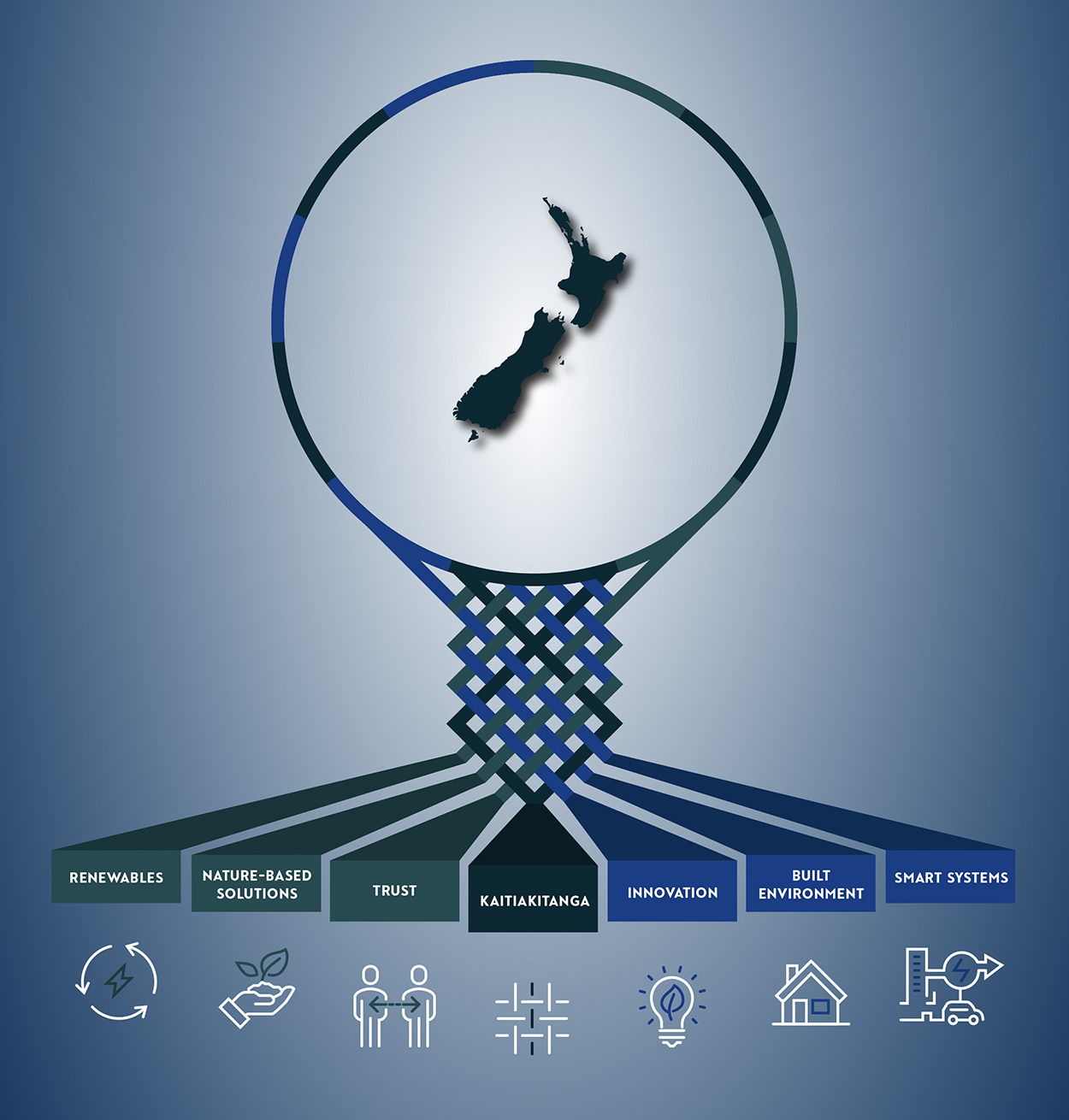

Kaitiakitanga
Sometimes misappropriated as a synonym for ‘sustainable development’,
kaitiakitanga is more than a mere phrase.

Built Environment
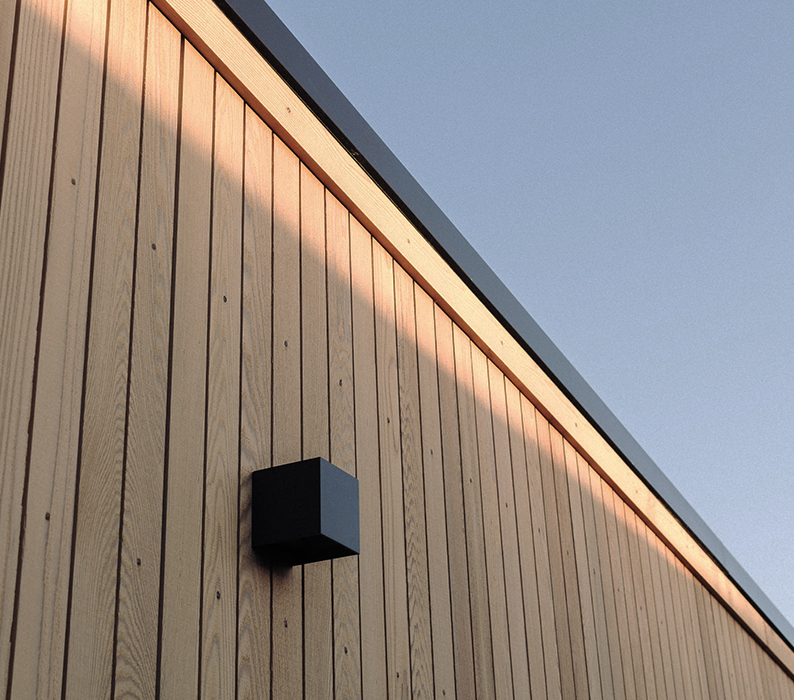
There are only two ways to take carbon out of our economy: on the supply side, taking carbon out of our energy system (clean energy); and on the demand side, taking energy out of our economy (energy productivity). The vast potential for addressing the latter is illustrated in microcosm by New Zealand’s housing stock: a recent study showed that new homes built in Aotearoa belch out five times too much CO2 across their lifetime. Meeting our country’s net zero by 2050 objective means tackling this and other efficiency issues head on. Built environment expert and CEO of the NZ Green Building Council Andrew Eagles posits how Aotearoa can improve its environmental, economic, health and social outcomes by concentrating on the places that provide us with shelter, sanctuary and prosperity.
Innovation
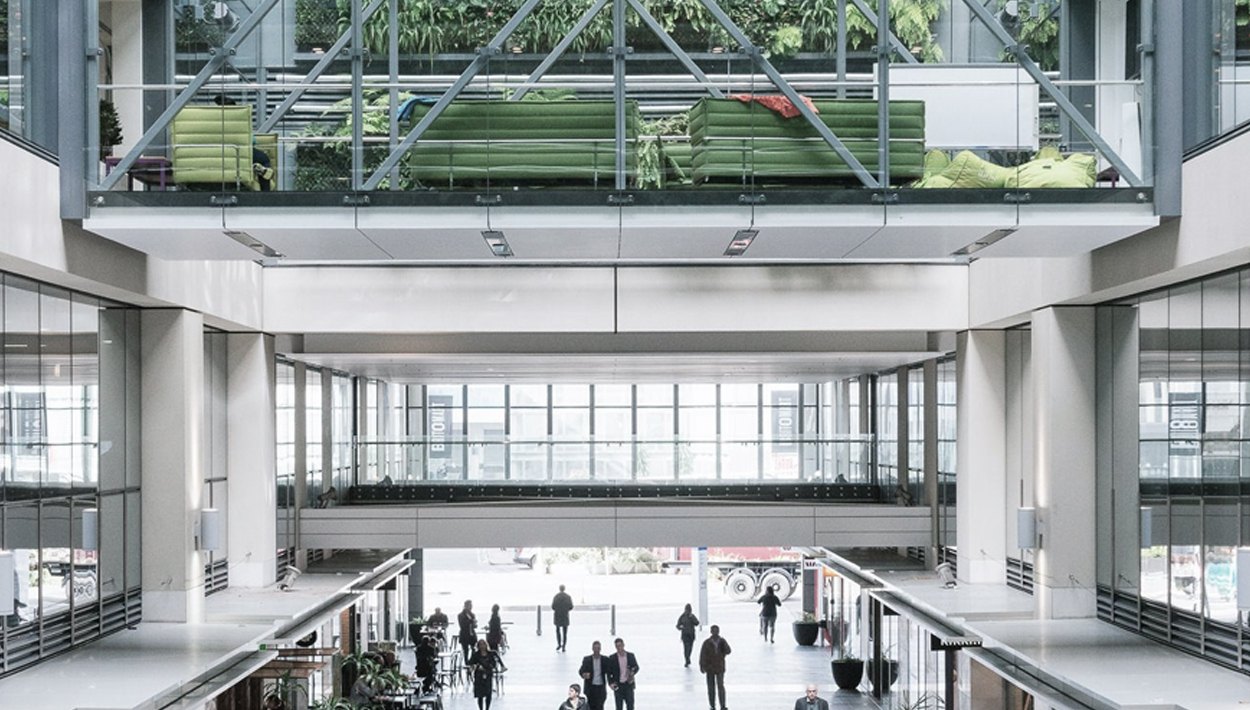
Unleashing the taniwha means finding our niche on net zero markets, identifying sunrise supply chains and becoming even better at what we’re good at.

Nature Based Solutions
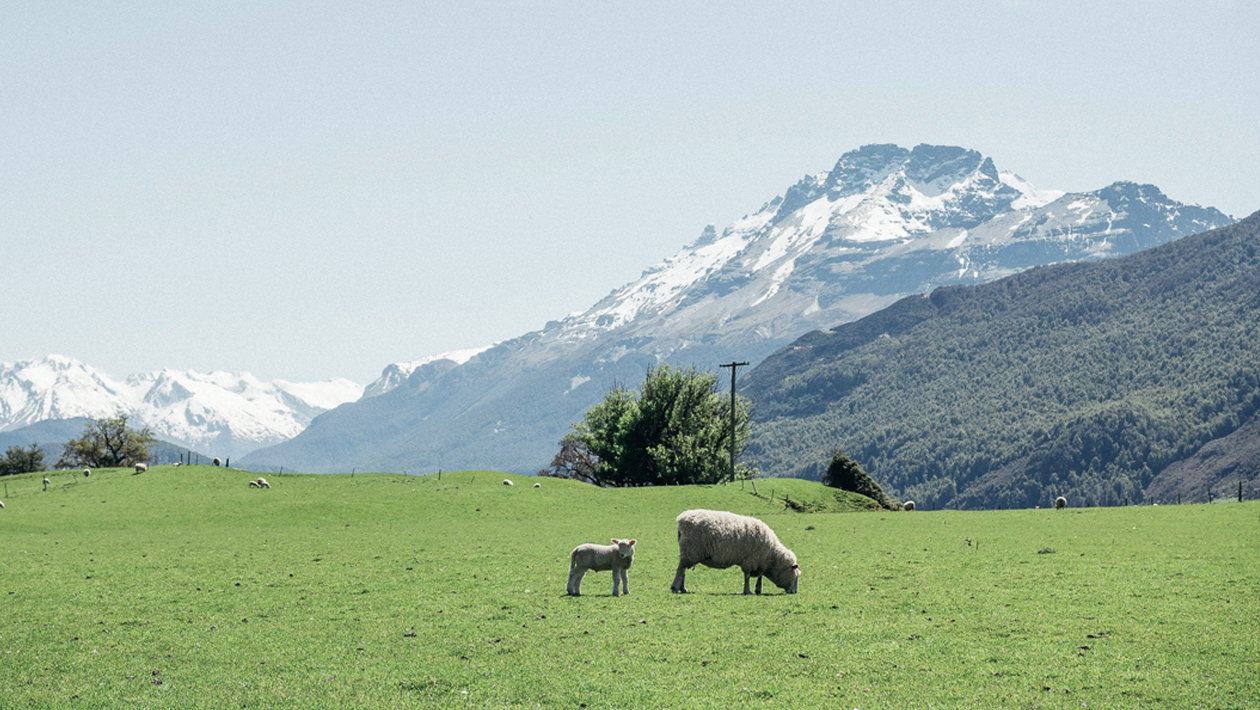
In a pandemic-stricken world, Nature-based Solutions (NbS) have captured the imagination of a society ready to reconnect with nature. Even before the pandemic, it had been advancing up the global agenda, endorsed in the IPCC Special Report on 1.5°C and declared by the IUCN as a pillar to tackle civilisational challenges from climate change to biodiversity loss. But how can NbS be put to work for New Zealand? Not only to draw down carbon, but to repair our weakened wetlands, to diversify our forests and regenerate our agricultural lands. Land-use and nature expert Alice Ritchie provides the stirrings of an answer.
Smart Systems
To achieve net zero CO2 by 2050 and put us at the vanguard of net zero opportunities, two systems need urgent domestic attention: our relationship with papatūānuku and how we move ourselves around Aotearoa. To take just the latter example, our ‘double-cab ute nation’ mentality will not change overnight, so we need to get systemic and smarter. Worldclass New Zealander and global green cities expert, and associate Director with the European Bank for Reconstruction and Development Dr Nigel Jollands, global green cities expert and associate Director with the European Bank for Reconstruction and Development walks us through some of the ingredients of smart systems and how they can be operationalised (and invested in) to tackle our biggest challenges.

Renewables
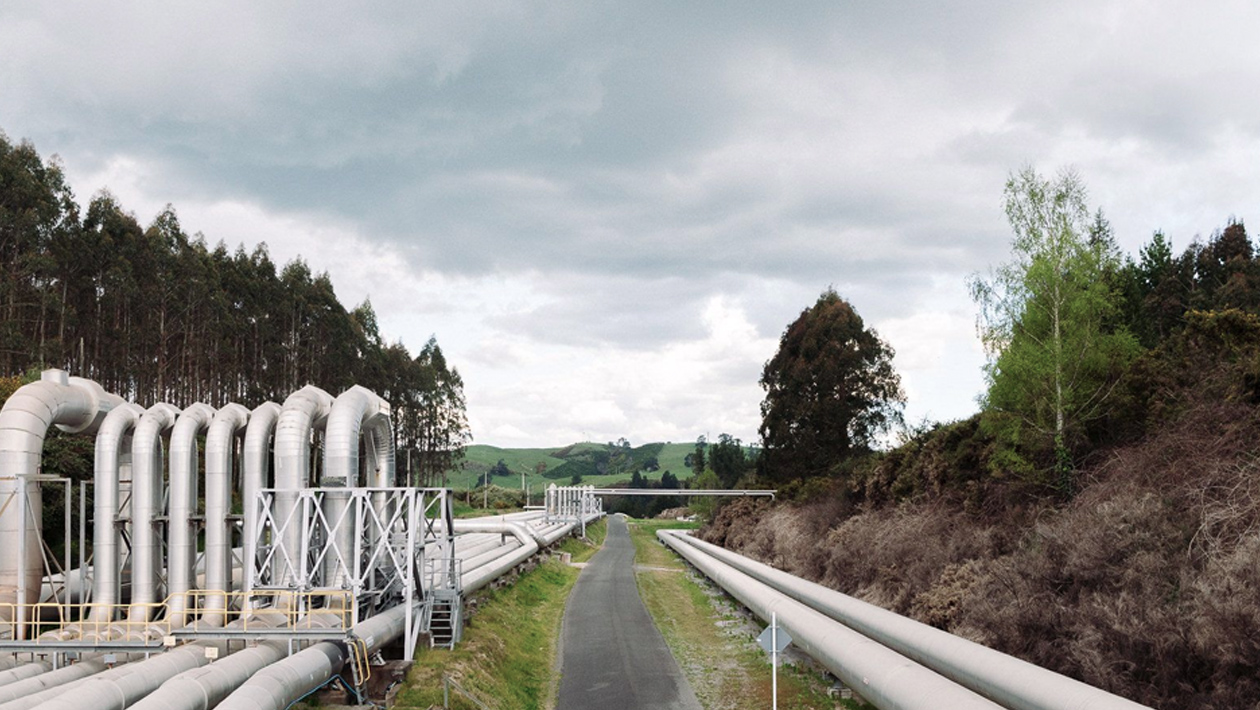
Our renewables advantage is the envy of the world, so why are we not better leveraging it? With an electricity portfolio approaching 90%, New Zealand could, for example, be a trailblazer in the early adoption of electric vehicles, vertically integrating wind and solar generation with transportation use. Accelerated electrification holds the key to cleaning up our cities and transport, but what should be prioritized? Hettie Morrison, engagement and outreach associate with the Energy Transitions Commission, dives into New Zealand’s energy ecosystem.

Trust
Nurtured right, trust can continue to be among our greatest assets for enduring prosperity and resilience in New Zealand’s journey towards a more sustainable future. Bucking the sinking trend globally, Aotearoa experienced a surge in trust levels during 2020. Polarization and political tumult continue to be kept offshore in large part because of our institutional and social foundations. Our relative standing on global measures such as social capital, political integrity, participatory governance and public institutions puts us in a position of strength to tackle our growing social and environmental problems. But New Zealand cannot afford to be complacent: if trust is lost, it can be desperately hard to restore. Recent London School of Economics graduate and now food and landscapes policy officer at WWF-UK, Josephine Cutfield, explores how we can maintain and better cultivate what’s perhaps our greatest advantage.
Harnessing these Advantages will offer answers to the questions of our time:
- How do we decouple CO2 and CH4 from our productive capital?
- What global opportunities are emerging in the clean economy for New Zealand’s science and innovation sectors?
- How do we best secure political consensus on solutions to tackle the wicked problem of climate change?
- How, as the late and great Pure Advantage trustee Sir Paul Callaghan put it, can we leverage our ingenuity and agility to secure slices of the supply chains of tomorrow?
- What, then, are New Zealand’s net zero niches?
- What’s a target we should be aiming for that no other country can see?
- How can New Zealand take advantage of a levelised playing field as remote working becomes the new global norm?
- How can we attract foreign as well as Kiwi talent?
But for all of our fundamental advantages, the picture under the hood is mixed. In 2006, we were first in the world for environmental performance. Now we’re 19th. In 2011, we were first in the world for green economic performance. Now we’re 24th. Visions for green infrastructure and investment have fallen short, even with a massive stimulus injection. Innovation is down, productivity and R&D is well below OECD par, high-tech exports as a percentage of total trade have fallen and climate change performance has been found wanting: from 1990 to 2018, net greenhouse gas emissions increased by 57%. Of the world’s industrialised nations — those which have the greatest obligation to reduce emissions — only 12 have seen their net emissions increase since 1990. New Zealand has the second largest increase.
Still, real and institutional progress has been made. Most encouragingly on climate change, the sands of public and political opinion have shifted ineluctably. For example, the 2015 Paris Agreement put wind to the sails of the $20 trillion investment opportunity in low-carbon technologies globally. The Zero Carbon Act has put wind to those sails in New Zealand.
It is in the context of the recent Climate Change Commission’s advice that our advantages must be put to work.